
Tips and Tricks for Seeing The Northern Lights
Looking to spot the elusive Aurora Borealis, or Northern Lights, while you’re in Glacier? Here are a few tips to make marking that item off your bucket list a little bit easier:
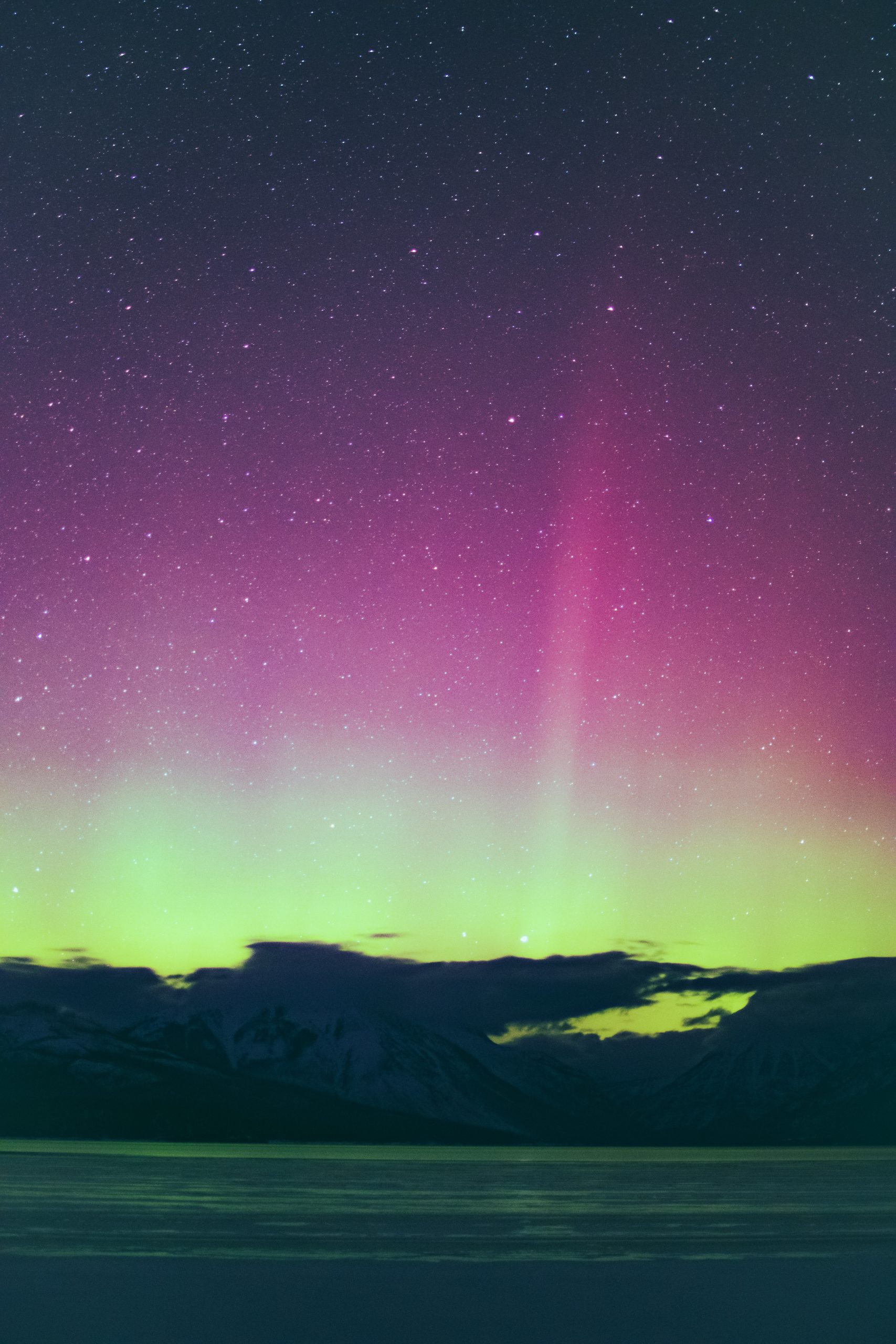
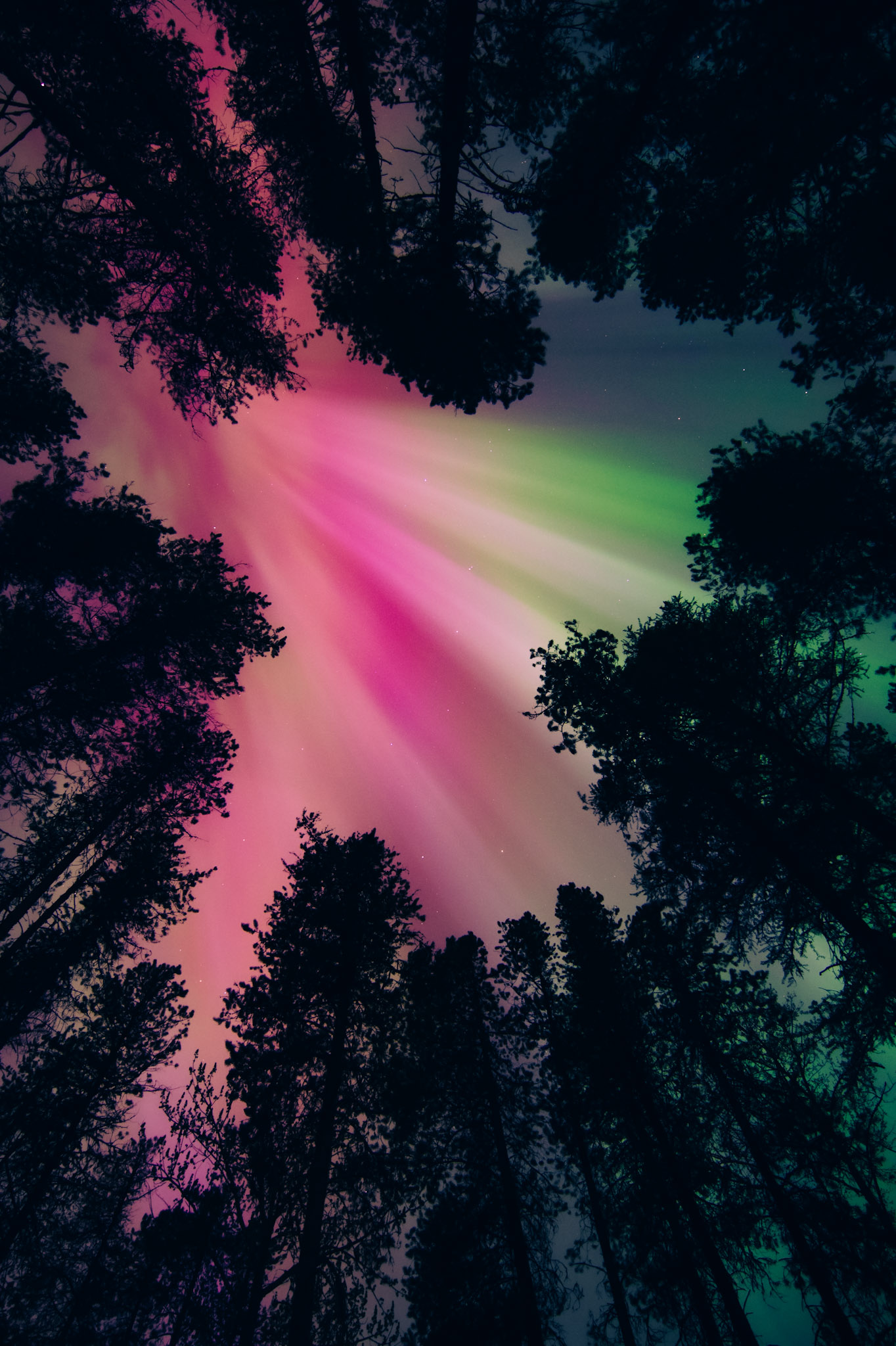
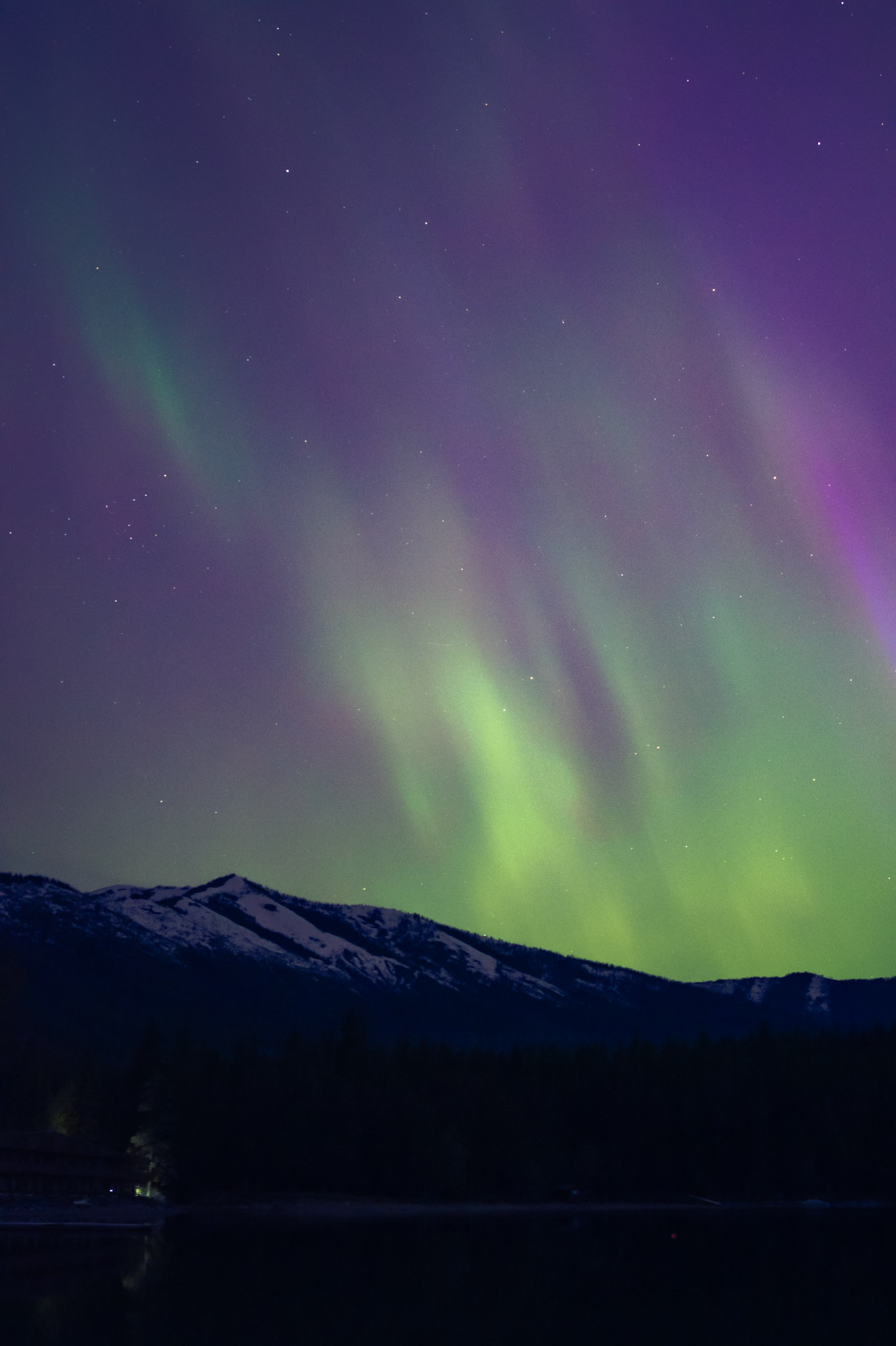
Photos: Geneva Thompson
Check your calendars
Visitors looking to spot the northern lights will have the best luck in the winter months, usually from late October to early March.
Check the KP index
The KP Index, or Planetary K-index, is a measurement of how much geomagnetic activity is happening in the Earth’s atmosphere. The National Oceanic and Atmospheric Administration’s Aurora Dashboard is a great place to check the predicted KP levels for the next few days. Generally, a KP of 4+ means a chance of seeing the Aurora.
Look to the northern sky
If you don’t have a traditional compass, most modern smartphones have compass apps that can help direct you towards the northern sky. Finding a clear, northward view will give you the best chance of seeing the lights.
In Glacier there are a lot of great places to catch the lights on a clear high-KP night. Try Apgar on the west side, St. Mary on the east, or if you’re up for a little driving in the dark, catch them up high at the Logan Pass Visitor Center.
Break out your tripod
If you’re looking to catch that perfect photo for your social media, or just as a memory to cherish, try setting up a tripod. The lights are best captured using long exposure photos, which are clearest when the camera is completely still.