
2027
Our Work
WILDERNESS WILDLIFE WONDER
♥ Donate
Jason Weiss
Join Us
By acting now, we can help ensure Glacier’s wilderness remains wild, wildlife is protected, and wonder will inspire future Glacier lovers.
Featured Projects
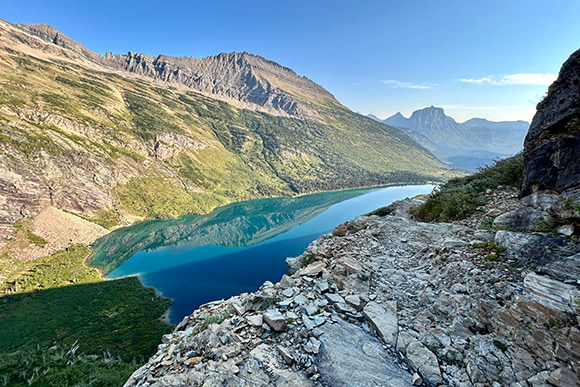
Granite and Gunsight Trail Crews
Funding Needed: $100,000
This project restores dedicated trail crews for the Granite Park and Gunsight districts to maintain safe trails, wilderness campgrounds, and critical backcountry infrastructure. Funding strengthens the park’s ability to complete essential trail maintenance and long-term restoration projects.
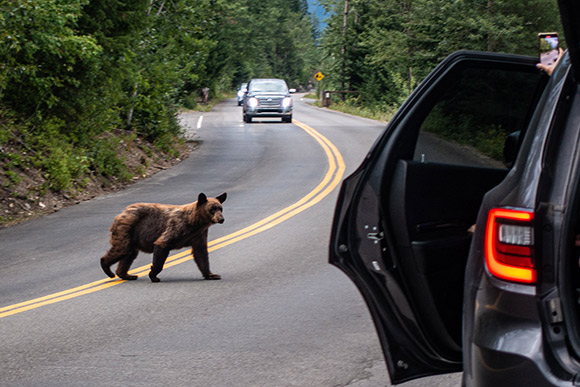
Bear Management Capacity
Funding Needed: $111,000
This project provides critical staffing to reduce human-bear conflicts in campgrounds, high-use areas, and the backcountry. Proactive bear management protects both visitors and wildlife through education, monitoring, and rapid response to conflict situations.
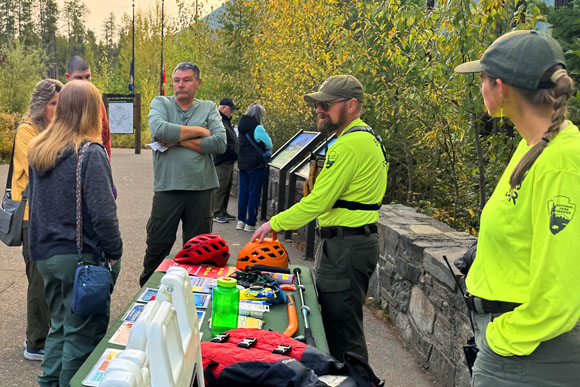
Preventative Search and Rescue
Funding Needed: $302,817
Preventative Search and Rescue technicians promote safe recreation through visitor education, wilderness patrols, and emergency response support. Their presence helps reduce accidents while expanding the park’s capacity to respond quickly and effectively to search and rescue incidents.

Expanding Interpretation Program Services
Funding Needed: $289,400
This project supports ranger-led interpretation and visitor services at Two Medicine, Many Glacier, Goat Haunt, Apgar Visitor Center, Lake McDonald Lodge, and Avalanche, connecting visitors with Glacier’s natural and cultural heritage. Programs emphasize glaciers and geology, wildlife safety, biodiversity, cultural history, and the unique international partnership of Waterton-Glacier International Peace Park.

Half the Park Happens After Dark
Funding Needed: $161,400
Support for this project helps the park manintain a long-term commitment to preserving dark skies by funding on-site astronomy volunteers and interns, and astronomy programs and events.
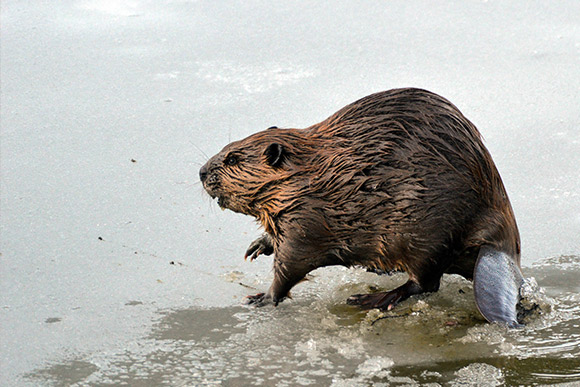
Beaver Habitat Conservation
Funding Needed: $48,094
This collaborative pilot project with the Blackfeet Nation supports research to better understand and restore beaver habitat in a changing landscape. Healthy beaver populations strengthen wetlands, increase biodiversity, and support long-term ecosystem resilience.
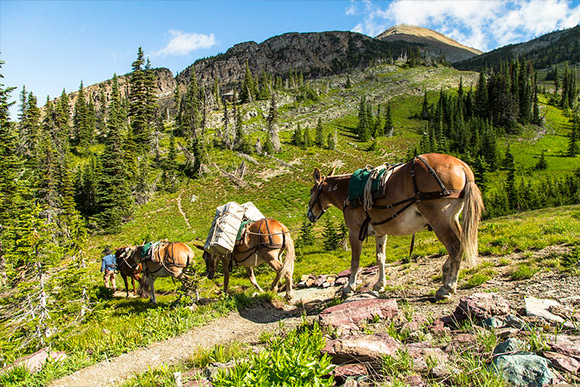
Stock Program Support
Funding Needed: $38,000
This project supports the long-term sustainability of Glacier’s historic stock program by replacing aging horses and mules essential to backcountry operations. Maintaining a healthy herd ensures continued support for trail maintenance, wilderness management, and resource protection.

Wilderness Stewardship
Funding Needed: $512,000
This project supports Glacier’s wilderness stewardship through wilderness ranger staffing, restoration projects, volunteer coordination, and wild and scenic river management. Funding helps protect wilderness character while providing education, resource stewardship, and visitor services throughout the park’s backcountry.

Evaluating Bat Population Changes
Funding Needed: $95,582
This project pilots a preemptive White-nose Syndrome (WNS) vaccination program and assesses bat survival rates during WNS. Investigations will also evaluate bat box designs to replicate roost conditions. This projects will compare bat box designs to mitigate critical habitat loss, while offering a vital opportunity for a graduate student to advance in wildlife biology.

Piikuni Lands Service Corps Partnership
Funding Needed: $50,000
The Piikuni Lands Service Corps engages Blackfeet youth and young adults in paid summer programs where participants deepen their relationship to ancestral lands while developing essential job skills.
This program is a culturally engaged model guided by the Blackfeet community with intentionality around creating a structure that speaks directly to Blackfeet youth.

Native America Speaks and Tribal Engagement
Funding Needed: $240,300
This program is dedicated to strengthening and sustaining relationships with local tribal communities, honoring Glacier’s Indigenous Peoples and original caretakers. Funding sutains the award-winning Native America Speaks program and other vital componets of the tribal engagement initiative.

Connecting to Park History
Funding Needed: $249,386
This project supports Glacier’s Museum and Archives by reducing archival processing backlogs, improving access to historic records, and expanding online collections for researchers and the public.

Mental Health Services for Glacier Employees
Funding Needed: $14,000
This project strives to remove financial and geographic barriers for Glacier employees seeking support for metnal health by creating more opportunities for accessible services. Funding will allow the NPS to hire a mental health provider who will host in-park counseling session days for employees, offering immediate and ongoing support. With this proactive approach, Glacier hopes to create space for dialogue and acceptance surraounding mental health, equipping people with resources and support systems that can save lives.
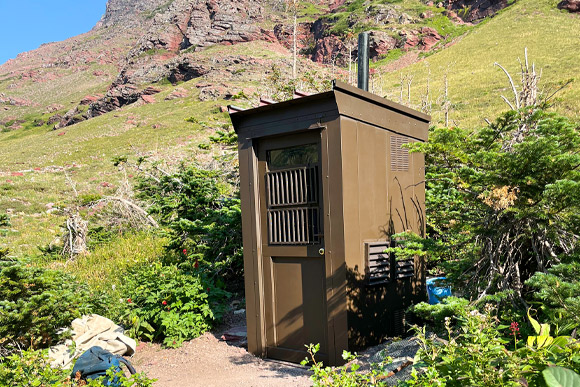
Upgrading Backcountry Toilets
Funding Needed: $35,000
This project installs urine diversion toilets at high-use wilderness campgrounds to improve human waste management while protecting sensitive natural and cultural resources. These modern systems reduce long-term maintenance needs and minimize impacts on the surrounding landscape.

Whitebark Pine and Clark's Nutcracker
Funding Needed: $126,500
Restoring whitebark pine (WBP) and Clark’s nutcracker (CLNU) habitat is crucial for their mutualistic relationship. WBP, now threatened due to changing weather patterns and blister rust, relies on CLNU for seed dispersal. Efforts include planting rust-resistant WBP seedlings, monitoring survival, expanding CLNU acoustic monitoring, and creating a visitor film to highlight this critical relationship.
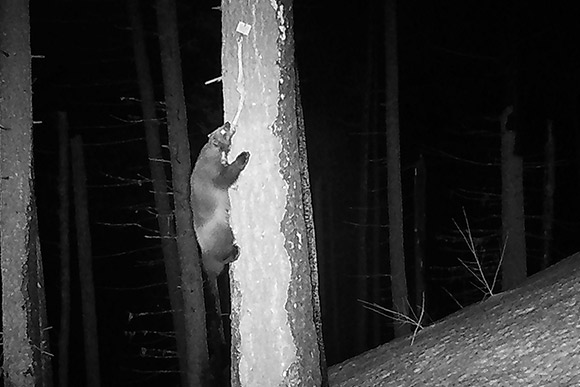
Wolverine Survey
Funding Needed: $51,420
This project supports Glacier’s participation in a long-term, multi-state winter wildlife survey that monitors wolverine population trends across the region. The data collected informs wildlife management decisions and helps track changes in species abundance over time.
It engages indigenous knowledge keepers, develops preservation strategies, and provides an internship opportunity. Successful partnerships and integrated approaches ensure the conservation of vulnerable heritage sites amidst changing climates and advancing research needs.

Ranger-Led Education Programs
Funding Needed: $341,785
This project directly supports Glacier’s education program through staffing, equipment, and supplies needed to conduct ranger led field trips, classroom visits, and distance learning programs. This long-standing program and partnership has served hundreds of thousands of students during its tenure, connecting the next generation of park stewards and advocates to the resources of Glacier National Park.

Supporting Sustainability Efforts
Funding Needed: $35,400
This project advances Glacier’s sustainability goals through staff education, operational improvements, recycling, composting, and public engagement. Funding supports a Sustainability Educator internship and projects that reduce the park’s environmental footprint.
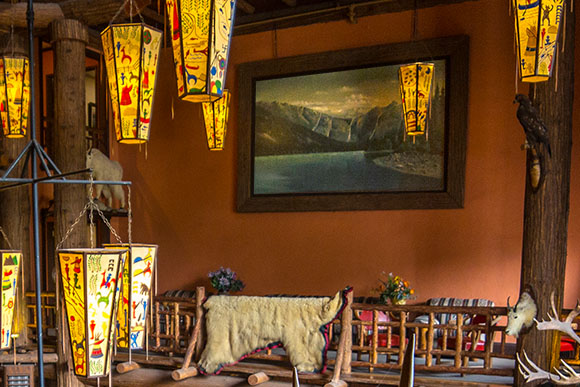
Preserving Glacier’s Artistic Legacy
Funding Needed: $28,000
This project preserves Glacier’s artistic and cultural heritage through a comprehensive assessment of 26 historic paintings displayed throughout the park’s iconic lodges and visitor facilities. Funding supports professional evaluation and preservation recommendations to ensure these irreplaceable artworks are protected for future generations.
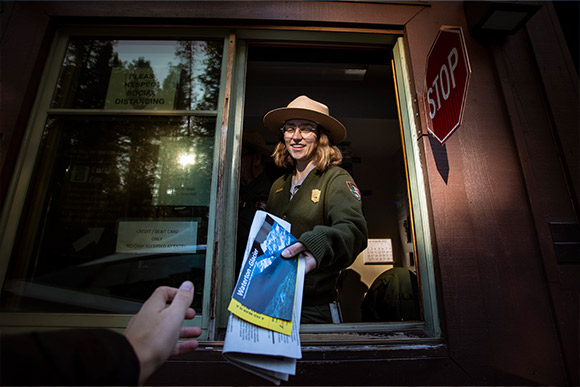
Park Publications
Funding Needed: $105,000
Glacier National Park and the surrounding areas are becoming some of the most popular places to visit in the United States.
This grant will provide handouts with comprehensive information that can capitalize on the enthusiasm of visitors. From the colorful park map to guides that provide hiking, safety, and trip planning information, print materials promote inclusivity for all park visitors to obtain information and knowledge.
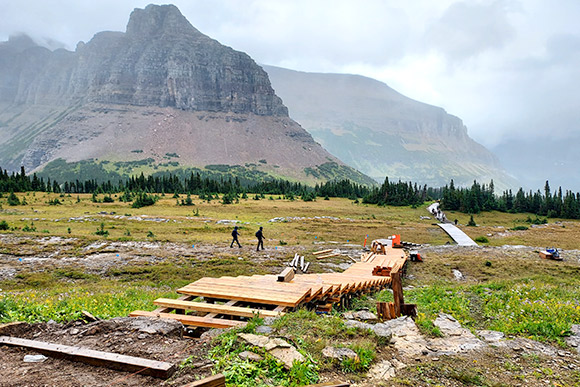
Logan Pass Boardwalk
Funding Needed: $125,000
This project replaces aging sections of the Logan Pass Boardwalk, protecting fragile alpine ecosystems while providing safe visitor access to one of Glacier’s most popular destinations. The new boardwalk will continue to concentrate foot traffic and reduce resource damage.
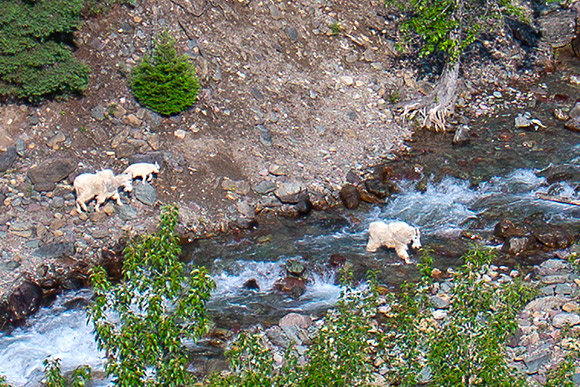
River Use Impacts on Mountain Goats
Funding Needed: $62,000
This research project examines how recreational river use affects mountain goats along the Middle Fork Flathead River. Findings will help inform future river management decisions that protect wildlife while maintaining recreational opportunities.

Grizzly Bear Visitor Impact Research
Funding Needed: $48,740
This collaborative research project examines how grizzly bears respond to increasing visitor use within Glacier National Park. Results will help refine bear management strategies that protect both bears and visitors while supporting long-term conservation of this threatened species.

Engaging Youth in Science
Funding Needed: $116,000
Designed to inspire the next generation of conservation stewards, this initiative connects youth to Glacier’s natural and cultural resources through meaningful, hands-on experiences. This project engages youth in conservation endeavors including native plant restoration, wildlife research and native fish preservation.

Visitor Communication Support
Funding Needed: $161,450
This project expands Glacier’s capacity to communicate visitor access information through dedicated staffing, outreach, and visitor support services. Funding helps provide timely information about vehicle reservations and other visitor use management tools while strengthening partnerships with regional tourism organizations.
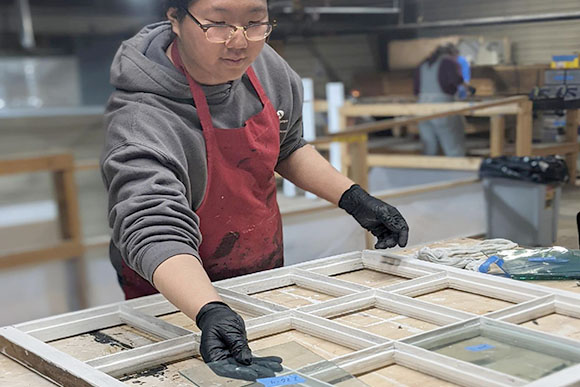
Historic Preservation Internships
Funding Needed: $34,944
With a focus on historic structure preservation projects, this project provides funding for two internship positions for students from local high schools. Students will work with crews on the park’s west and east sides, bolstering capacity while gaining expertise in historic preservation techniques and skills.

North Lake McDonald Area Improvements
Funding Needed: $133,000
This project supports visitor access improvements in the North Lake McDonald area and annual operating costs for the historic Wheeler Cabin. Funding will support a seasonal landscape architect position focusing on native plant restoration, accessible trail design, interpretation opportunities and improved visitor facilities.

Aquatic Invasive Species Prevention
Funding Needed: $89,000
This project supports a robust public-private partnership to protect the Columbia River Basin from destructive invasive species. Through collaboration with the Blackfeet Nation, this project employees tribal members to inspect boats for the presence of aquatic invasive species at the Two Medicine and Many Glacier entrances.

Bison Conservation and Connectivity
Funding Needed: $150,000
This project supports bison conservation through seasonal staffing, field research, and partnerships that improve wildlife management and connectivity. Funding also advances collaborative efforts to identify opportunities for wildlife movement across U.S. Highway 2 for bison, bears, and other species.

Engage Visitors in Citizen Science
Funding Needed: $178,000
The citizen science program plays a vital role in addressing park management needs while fostering science literacy and a deeper understanding of our natural world. Youth and adult visitors participate in transformative field experiences, collecting data on species affected habitat shifts and increased visitation.

School-to-Park Program Support
Funding Needed: $250,000
Through a partnership with Columbia Falls High School, students acquire building trades expertise by constructing cabins designated for park employee housing.
This initiative covers the costs of building materials, supports a National Park Service (NPS) carpentry mentor role, and provides participating students with tool belts they retain upon program completion.

Developing Visitor Use Management Strategies
Funding Needed: $213,695
This project provides staffing and equipment to monitor visitor use throughout Glacier National Park, supporting data-driven management decisions that protect park resources while enhancing visitor experiences. The program collects, analyzes, and reports information used to guide long-term visitor access and transportation planning.
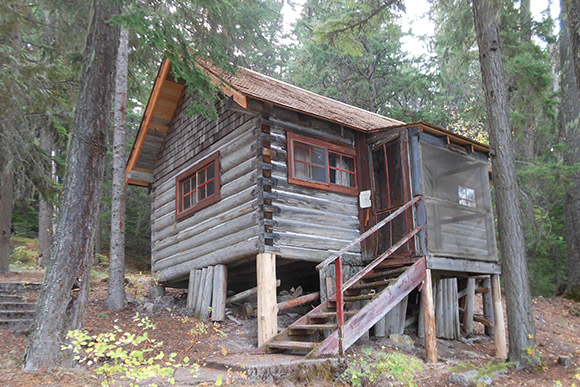
Preserving Historic Structures
Funding Needed: $76,610
This project supports the preservation and documentation of Glacier’s historic buildings and structures through planning, condition assessments, and Historic American Buildings Survey documentation.

Glacier Superintendent
David M. Roemer
“The enduring partnership between the Conservancy and Glacier National Park continues to be our strength, providing the support and energy to continually improve and grow in core program areas that contribute to our park mission. The Conservancy continues to be the difference-maker that helps the park to achieve success on the ground today, and preserve wilderness, wildlife, and wonder for future generations.”
Cherie Show
2026 Park Projects
View the projects we fundraised for last year.
PROJECT UPDATES
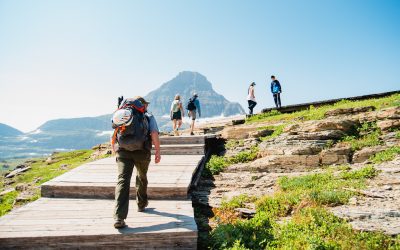
The Best Rescues Never Happen: A Day With Glacier’s PSAR Rangers
On a Wednesday morning in July on the Hidden Lake Trail, a ranger in green and gray hikes up the boardwalk, stopping to talk with nearly everyone headed up from Logan Pass. What are your plans for the day? How much water do you have? Are you carrying bear spray? The...
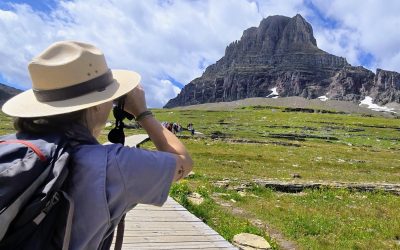
Ask a Ranger: Interpretation in Glacier National Park
Ask a ranger at Logan Pass where the restrooms are, and you will get an answer. Ask what habitat bears use or whether the Hidden Lake Trail is a good idea today, and you might just get a new perspective. That second kind of exchange has a name inside the National Park...
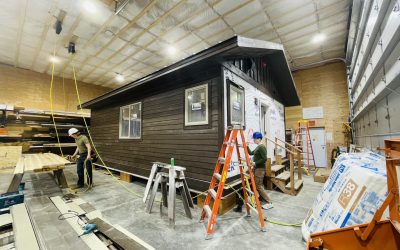
Raising The Roof: Glacier’s School-To-Park Program
During the winter of 2018, storms brought the snowiest winter in nearly 50 years to Glacier, and the Granite Park Trails Cabin was destroyed by snow creep. The cabin, historically located just below the Granite Park Chalet, serves as a vital hub for every aspect of...